
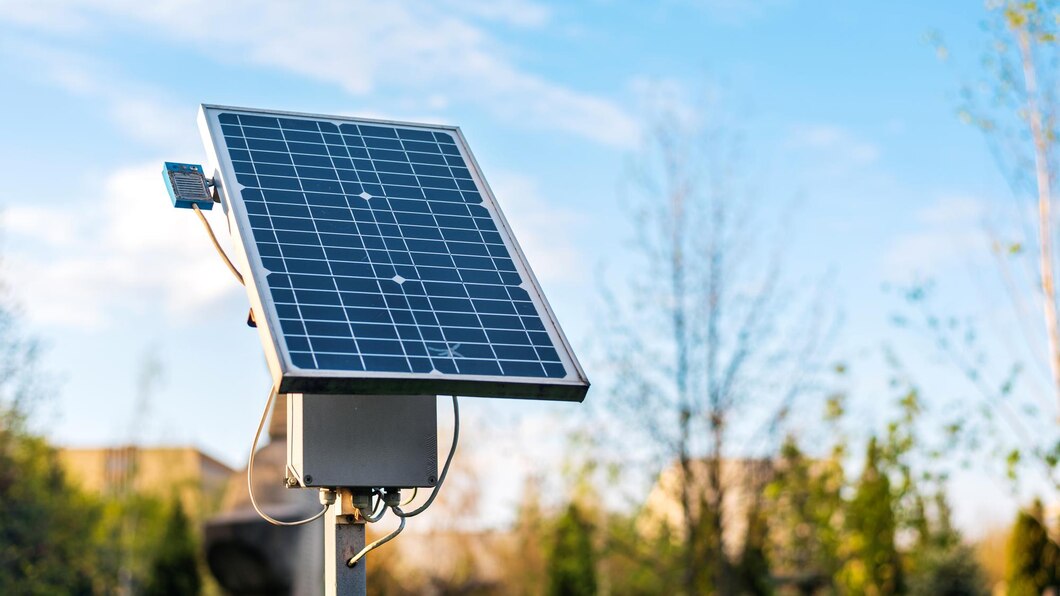
Solar Camera
A Solar Camera is a type of surveillance camera powered by solar energy, designed to operate independently of traditional power sources like electrical outlets or batteries. These cameras are often used in outdoor environments where wiring can be challenging, or in areas with limited access to the electrical grid. By using solar power, solar cameras provide a sustainable and cost-effective solution for continuous surveillance in remote or off-grid locations.
How Solar Cameras Work
Solar Energy Collection:
Solar panels attached to the camera system collect sunlight and convert it into electrical energy.
Power Storage:
The solar energy is stored in an integrated rechargeable battery, ensuring the camera remains operational even during cloudy days or at night.
Camera Operation:
The stored energy powers the camera and its components, such as the lens, infrared night vision, motion sensors, and wireless connectivity.
Wireless Connectivity:
Many solar cameras come with built-in Wi-Fi or cellular connectivity, allowing users to monitor the footage remotely through a smartphone or computer.
Smart Features:
Solar cameras are often equipped with features like motion detection, two-way audio, and cloud storage for footage backup.
Key Components of a Solar Camera
Solar Panel:
- Converts sunlight into electricity to power the camera.
- Usually made from monocrystalline or polycrystalline silicon for maximum energy efficiency.
Battery:
- Stores the solar energy collected during the day to power the camera during low light conditions or nighttime.
- Typically lithium-ion or lithium-polymer batteries for long-lasting performance.
Camera Lens:
- Captures high-definition video footage of the monitored area.
- May include features like zoom, wide-angle lenses, and high resolution.
Motion Sensors:
- Detect movement in the camera’s field of view and trigger recording or notifications.
Infrared Night Vision:
- Enables the camera to capture clear video in low-light conditions or complete darkness.
Wireless Connectivity:
- Wi-Fi or cellular capabilities for remote access to live feeds and recorded footage.
Mounting Bracket and Enclosure:
- Provides secure installation and weatherproofing to protect the camera from harsh outdoor conditions.
Benefits of Solar Cameras
Energy Independence:
- Solar cameras do not rely on external power sources, making them ideal for off-grid locations or areas without reliable electricity.
Environmentally Friendly:
- By utilizing renewable solar energy, solar cameras reduce dependence on traditional energy sources and help lower the carbon footprint.
Low Operating Costs:
- With no need for ongoing electricity or battery replacement, solar cameras have minimal operating costs after installation.
Easy Installation:
- Since solar cameras do not require wiring to the grid, installation is typically quick and easy, especially in hard-to-reach or remote areas.
Continuous Monitoring:
- As long as the solar panel receives adequate sunlight, the camera can provide uninterrupted surveillance, even in locations where power is unavailable.
Versatility:
- Solar cameras can be used for a variety of purposes, including home security, construction site monitoring, wildlife observation, and agricultural surveillance.
Applications of Solar Cameras
Home Security:
- Solar cameras can be used for outdoor surveillance, monitoring entry points, driveways, and yard areas.
Construction Sites:
- Provide surveillance in remote or temporary construction locations where power lines are not available.
Wildlife Monitoring:
- Solar cameras are ideal for wildlife monitoring and research in remote forests, parks, or reserves.
Agriculture:
- Farmers can use solar cameras for monitoring crops, livestock, and property in remote areas.
Public Spaces and Parks:
- Solar cameras can provide security in parks, gardens, or public areas with little or no access to the electrical grid.
Temporary Events or Situations:
- For events such as festivals, protests, or large gatherings, solar cameras offer portable, energy-efficient security.
Types of Solar Cameras
Standalone Solar Security Cameras:
- Complete systems with integrated solar panels, batteries, and cameras. Ideal for remote locations.
Solar-Powered Wi-Fi Cameras:
- Offer wireless connectivity via Wi-Fi and can be accessed remotely via smartphone or computer.
Solar-Powered PTZ Cameras:
- Provide pan, tilt, and zoom (PTZ) capabilities, allowing for more comprehensive monitoring of large areas.
Solar Trail Cameras:
- Used for wildlife surveillance, these cameras are typically motion-activated and designed for long-term outdoor use.
Solar CCTV Cameras:
- Commercial-grade cameras that can be part of a larger closed-circuit television (CCTV) security system.
Limitations of Solar Cameras
Weather Dependency:
- Solar cameras rely on sunlight to function, and their performance may be reduced on cloudy or rainy days.
Battery Life:
- If the solar panel does not receive enough sunlight to recharge the battery, the camera may not function for extended periods.
Initial Cost:
- The upfront cost of solar cameras, including installation and equipment, can be higher compared to traditional wired security systems.
Limited Range:
- The effectiveness of the camera's wireless connection can be limited by the distance from the Wi-Fi router or cellular network.
Maintenance Requirements:
- Solar panels may require periodic cleaning to ensure optimal performance, especially in areas with dust or snow buildup.
Factors to Consider Before Installing a Solar Camera
Sunlight Exposure:
- Ensure that the installation site receives adequate sunlight for most of the day to ensure consistent energy generation.
Security Needs:
- Determine the areas that require monitoring, and choose a camera with the necessary resolution, coverage, and features.
Connectivity:
- Consider the distance between the camera and the Wi-Fi router or cellular network to ensure strong and reliable communication.
Installation Location:
- Ensure the camera is mounted at an optimal height and angle, with minimal obstruction from trees or buildings.
Storage and Backup:
- Check for cloud storage or local storage options for recorded footage, ensuring backup in case of device failure.
Conclusion
Solar cameras are an innovative solution for outdoor surveillance, providing energy-efficient, sustainable, and reliable monitoring in remote or off-grid locations. They combine the benefits of renewable energy with advanced security features, making them ideal for a wide range of applications, from home security to wildlife monitoring. While there are some limitations related to weather dependency and initial costs, solar cameras offer a long-term, low-maintenance, and eco-friendly alternative to traditional security systems. Investing in solar-powered surveillance can provide peace of mind while contributing to a greener future.