Industrial Solar System
An Industrial Solar System is a large-scale solar energy solution designed to meet the high energy demands of industrial facilities, such as factories, manufacturing plants, and large-scale operations. These systems offer a sustainable and cost-effective alternative to traditional energy sources, helping industries lower their energy costs, reduce carbon footprints, and ensure energy security.
Industrial solar systems are typically custom-designed to cater to the unique requirements of each facility, often combining advanced technologies and large-scale components to maximize efficiency and output.
Key Components of an Industrial Solar System
High-Efficiency Solar Panels:
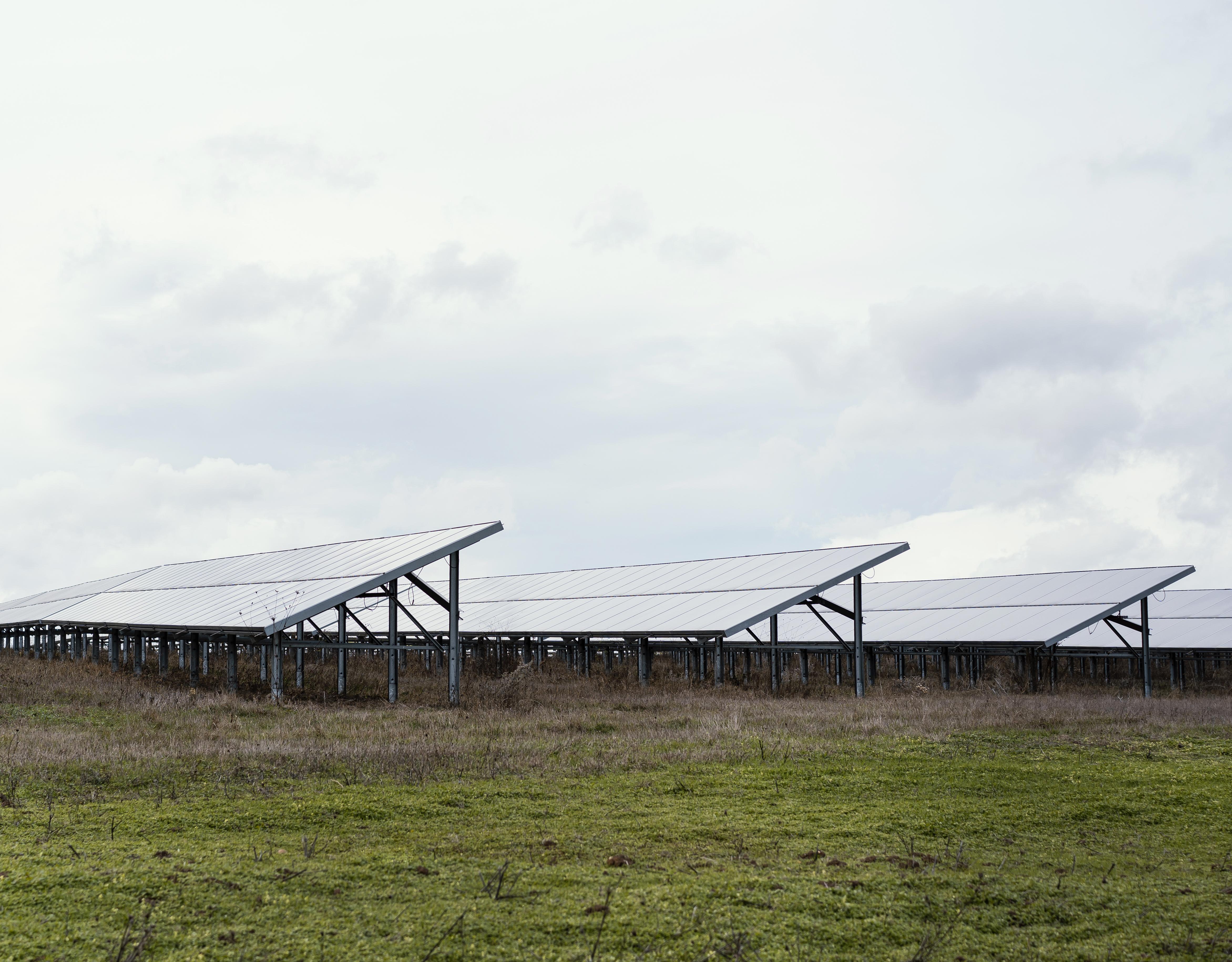
Industrial systems use advanced photovoltaic (PV) panels, often with higher wattage capacities, to generate significant amounts of energy. These panels may be installed on rooftops, large ground-mounted arrays, or over unused spaces like parking lots.
Inverters:
Industrial-grade inverters are used to convert the direct current (DC) electricity generated by solar panels into alternating current (AC), which powers industrial machinery and processes. These inverters are built to handle large energy loads and often include features for monitoring and fault detection.
Energy Storage Systems (Optional):
Battery storage systems enable industries to store surplus energy for use during non-sunny periods, peak demand times, or power outages. These systems are critical for off-grid or hybrid configurations.
Mounting Structures and Trackers:
Durable and large-scale mounting systems are designed to support extensive arrays of solar panels. In some cases, solar tracking systems are used to optimize sunlight capture by adjusting panel angles throughout the day.
Monitoring and Control Systems:
Advanced monitoring systems allow industries to track energy generation, consumption, and system performance in real time. These systems provide data analytics for energy optimization and operational efficiency.
Transformer and Grid-Integration Components:
Transformers and other electrical components ensure safe and efficient connection to the industrial facility and, where applicable, the grid.
Types of Industrial Solar Systems
Grid-Tied Systems:
These systems are connected to the power grid and designed to offset energy costs by generating solar power on-site. Excess electricity can be fed back to the grid under net metering agreements or similar policies.
Off-Grid Systems:
Ideal for remote industrial operations or facilities where grid access is unreliable, off-grid systems rely entirely on solar power and energy storage to meet energy needs.
Hybrid Systems:
A combination of grid-tied and off-grid solutions, hybrid systems incorporate battery storage for backup while maintaining a connection to the grid for additional power or export.
Applications of Industrial Solar Systems
Manufacturing Plants:
Powers heavy machinery, lighting, and production lines, reducing energy costs for high-consumption operations.
Mining Operations:
Supports energy-intensive equipment and facilities in remote locations with limited grid access.
Agricultural Industries:
Provides energy for large-scale irrigation systems, processing units, and storage facilities.
Warehousing and Logistics:
Reduces energy costs for lighting, cooling, and other operational needs in large storage and distribution centers.
Chemical and Pharmaceutical Industries:
Ensures a reliable energy supply for critical processes, including heating, cooling, and equipment operation.
Benefits of Industrial Solar Systems
Cost Savings:
Solar systems reduce dependency on expensive grid electricity, offering significant savings on energy bills. Over time, industries can recover their initial investment through reduced operational costs.
Energy Independence:
Solar systems provide a reliable and consistent energy source, protecting industries from power outages and fluctuating energy prices.
Environmental Benefits:
By transitioning to renewable energy, industries reduce greenhouse gas emissions and contribute to global sustainability goals.
Tax Incentives and Subsidies:
Many governments offer financial incentives, including tax credits, grants, and subsidies, to encourage industrial adoption of solar energy.
Enhanced Corporate Reputation:
Embracing solar energy demonstrates corporate responsibility and aligns with environmental, social, and governance (ESG) principles, improving stakeholder and customer trust.
Scalability and Customization:
Industrial solar systems are designed to scale and adapt to the evolving energy demands of growing businesses.
Considerations for Industrial Solar Installation
Energy Consumption Analysis:
A detailed evaluation of the facility’s energy requirements ensures the system is appropriately designed and sized.
Space Availability:
Rooftop or ground space must be assessed for suitability, structural integrity, and sunlight exposure.
Upfront Investment:
While industrial solar systems require significant initial investment, financing options, grants, and tax benefits can help offset costs.
Compliance with Regulations:
Installation must adhere to local laws, building codes, and grid interconnection standards.
Maintenance and Monitoring:
Regular maintenance, including cleaning panels and inspecting components, is crucial to maintain efficiency and avoid downtime.
Conclusion
Industrial solar systems are a powerful step toward energy efficiency, cost reduction, and environmental sustainability. By adopting solar power, industries can significantly lower operational costs, enhance energy reliability, and contribute to global efforts to combat climate change. With advancements in technology and growing support through incentives, solar energy is becoming an essential asset for industrial operations worldwide, fostering growth while promoting a sustainable future.